
Currently Empty: 0₨

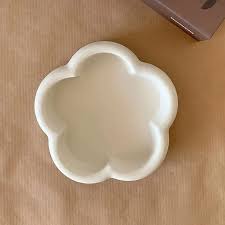
A decorative tray is one of the most useful pieces of home decor you can buy, because it works in almost every room. It can organise a coffee table, make serving tea easier, keep a dressing table tidy, or turn a few small items into a display. The trick is to choose the right size and shape for the job you actually need it for. This guide explains how to choose a decorative tray for your home in Pakistan, and how to choose one as a gift.
First, decide what the tray is for
Start with the use, not the look. A tray used for serving will be handled often and needs a comfortable grip and a stable base. A tray used only for display can be more delicate in shape, because it will mostly stay in one place. A tray used for storage, such as on a dressing table or an entrance console, needs enough depth to stop small items from sliding off.
- Serving: for tea, snacks or breakfast in bed, choose a tray that is easy to carry and easy to set down.
- Display: for a coffee table or console, choose a tray that frames the items on it, such as a vase, a candle or a small bowl.
- Organisation: for keys, jewellery, remotes or cosmetics, choose a tray with a clear edge and a size that fits the surface.
How to choose the right size
Size is the most common mistake when buying a tray. A tray that is too large will dominate a small coffee table and leave no room for anything else. A tray that is too small will look lost on a large dining table and will not hold what you need.
Measure the surface first
Look at the table or surface where the tray will sit and leave space around it. As a general rule, the tray should cover only part of the surface, not the whole of it, so the table still has room for other items. If you plan to put several items on the tray, place them on the surface first and check how much room they take together, rather than guessing from a single item.
Think about what will sit on it
A tray for two cups and a small plate needs less space than a tray that will hold a teapot, cups and snacks for guests. For a dressing table, the tray only needs to hold the items you reach for every day. If you are unsure between two sizes, the larger one is often more flexible for serving, while the smaller one is often tidier for display and organisation.
How to choose the right shape
Shape affects both how a tray looks and how it fits into a room. Round trays soften a room with many straight lines, such as a rectangular coffee table or a long console. Rectangular and oval trays suit long surfaces and make it easy to line up items in a row. A tray with an unusual shape, such as a leaf or flower shape, can become a decorative piece in its own right, even when it is empty.
Also consider the edge. A raised edge helps keep items in place, which is useful for serving and for organising small things. A flat tray with a low edge looks more minimal and works well for display, but it is less forgiving if the tray is bumped. Handles, where present, make a serving tray easier to carry, but they also add to its overall size, so check that the tray will still fit where you plan to keep it.
Matching a tray to your home
A tray should connect with the room around it. If your home has warm wood, soft fabrics and traditional touches, a tray in a warm tone or a classic shape will usually fit in easily. If your home is modern and minimal, a simple shape and a quiet colour will often work better. You do not need to match the tray exactly to your furniture. Repeating one colour or tone from a cushion, a rug or a decorative vase nearby is usually enough to make the arrangement feel intentional.
One tray is often enough for a small table. On a larger surface, you can layer a tray with a decorative bowl or a small vase on top of it, provided the group does not become crowded. Keep at least one part of the table clear, so the tray looks like a styled arrangement rather than a pile of objects.
Choosing a decorative tray as a gift
A decorative tray is a thoughtful gift because it is both beautiful and useful, and it suits many occasions, including housewarmings, weddings and birthdays in Pakistan. When choosing a tray as a gift, think about the recipient’s home rather than your own taste. A neutral colour and a classic shape are usually safer than a very bold design, because they fit more easily into different rooms.
- For a new home: choose a versatile tray that can be used for serving or for display.
- For a wedding: choose a tray that looks special enough to display, and that the couple can use for guests.
- For a smaller gift: choose a compact tray for a dressing table, a bedside table or an entrance console.
If you are not sure about the recipient’s style, keep the gift simple and practical. A tray that is easy to use every day is more likely to be appreciated than one that only suits a single occasion. For specific product details, always check the individual product page before buying.
General care and everyday use
As a general note, wipe trays gently, avoid placing very hot or very wet items directly on a decorative surface without protection, and store the tray where it will not be knocked off a shelf. These are general tips only; care advice can vary by product, so check the product page for details that apply to the tray you choose.
Quick checklist before you buy
- What is the tray for: serving, display or organisation?
- Where will it sit, and how much space is available?
- What will sit on it, and will it fit comfortably?
- Does the shape suit the table and the room?
- If it is a gift, will it suit the recipient’s home and everyday use?
Once you have answered those questions, you can browse with confidence. Explore the range of decorative trays and the wider shop at AreeCrafter to find a size and shape that suits your home.