
Currently Empty: 0₨

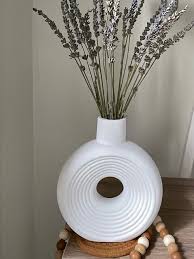
A decorative bowl is one of the easiest pieces to style in a Pakistani home, because it can do two jobs at once. On a dining table it can anchor a centrepiece, and by the door or on a dressing table it can quietly catch the small things that otherwise end up scattered. The trick is not to buy a bowl and hope it works, but to decide first where it will live and what it needs to hold.
Browse the range of decorative bowls with that spot in mind, and compare the shape, depth and colour with the table or surface you already have. A bowl that looks beautiful in a photograph can feel too tall, too wide or too busy once it is next to your own furniture.
What makes a bowl work as a centrepiece
A good centrepiece draws the eye without getting in the way. For a dining table, that usually means a low, stable shape that people can see over during a meal. A wide, shallow bowl suits a long table, while a smaller, rounder bowl can sit comfortably in the middle of a round table or on a sideboard.
Think about what will go inside it. A centrepiece bowl can hold seasonal fruit, dried flowers, decorative stones, candles in holders, or simply be left empty so its shape and finish become the feature. Changing the filling through the year is an easy way to refresh a room without buying new furniture, which is especially useful in homes where the dining area is also used for family gatherings and guests.
Centrepiece ideas for the dining table
Keep the centre low and usable
For everyday meals, leave space for dishes, glasses and serving bowls. Place the decorative bowl slightly off-centre if the table is also used for homework, tea or work, so one side stays clear. For a special dinner, you can move it to the exact centre and add a few simple stems or a small candle arrangement around it, then return it to its everyday spot afterwards.
Pair a bowl with a tray or a vase
A bowl rarely needs to stand alone. A decorative tray underneath it can gather the arrangement and protect the table surface, while a decorative vase beside it adds height without crowding the centre. The key is contrast in height: one low bowl, one taller piece, and some empty surface in between. If everything is the same height, the group can look flat; if everything is tall, it can block conversation across the table.
Match the mood of the room
In a bright, light room, a bowl in a soft or pale tone can keep the table feeling calm. In a room with deep wood, rich cushions or patterned textiles, a bowl with a stronger shape or a more defined edge can hold its own. You do not need to match the bowl exactly to your dinner set. Repeating one colour or one curve from elsewhere in the room, such as a cushion, a rug or a vase, is usually enough to make the arrangement feel intentional.
Using a bowl as a catch-all
A catch-all is a bowl with a practical job: it gives small, everyday items one home. That simple habit can make a big difference in a busy household, because keys, coins, hair ties and small accessories are no longer left on every available surface.
By the entrance
Place a shallow bowl on a console or hallway table near the door for keys, sunglasses and small change. Choose a size that can hold the essentials without becoming a dumping ground, and empty it once a week so it stays useful rather than overflowing. A bowl here also makes a welcoming first impression, especially when it is paired with a small tray for mail or a vase with a few stems.
On a dressing table or bedside table
On a dressing table, a small bowl can hold rings, earrings and bracelets at the end of the day, so delicate pieces are not left on the edge of a sink or mixed into a drawer. On a bedside table, the same idea works for a watch, earphones or loose change. Keep the bowl away from the very edge of the table, and avoid overfilling it, so pieces are easy to find in the morning.
In the living room
In the living room, a catch-all bowl on a coffee table or side table can hold remote controls, small snacks for guests, or the bits and pieces that collect during the day. If the bowl is also part of the display, keep its contents tidy and limited. One bowl for everyday clutter and one bowl kept purely for display often works better than trying to make a single bowl do both jobs in the same spot.
Choosing the right size, shape and colour
Size matters more than pattern. Measure the table or shelf before you choose, and leave breathing space around the bowl. As a rough guide, a centrepiece bowl should leave enough room for place settings or for people to put down a cup without reaching around it. A catch-all bowl should be wide enough to drop items into easily, but not so large that it dominates a narrow console.
Shape changes how a bowl feels in a room. A round bowl feels soft and classic, a fluted or ribbed edge adds texture, and a more sculptural shape can become a talking point on its own. For a catch-all, a slightly deeper shape helps stop items from sliding out. For a centrepiece, a shallower shape shows off what is inside and keeps the arrangement low.
Colour is the final decision. A neutral bowl is flexible and can move from the dining table to the entrance as your needs change. A coloured or patterned bowl makes a stronger statement and is best placed where it can be the focus, rather than competing with many other bright objects. If you are unsure, start with a colour already present in the room and let the bowl echo it, rather than introducing a completely new shade.
Simple, generic care for decorative bowls
Decorative bowls last longer with gentle, everyday care. Dust them regularly with a soft, dry cloth, lift rather than drag them across a surface, and keep them away from table edges where they could be knocked. If a bowl is used for food, candles or water, check the individual product details before use and follow any care guidance given there, rather than assuming every decorative piece is made for the same purpose.
A quick checklist before you choose
- Where will the bowl live: dining table, entrance, dressing table or living room?
- Will it be a centrepiece, a catch-all, or both at different times?
- How much width and height can that surface comfortably allow?
- What will it hold, and how often will you need to empty or refill it?
- Does its shape or colour repeat something already in the room?
Once you have answered those questions, choosing becomes much simpler. Explore the decorative bowls at AreeCrafter, pair your favourite with a decorative tray or decorative vase if the spot needs height or grounding, and browse the full shop for pieces that suit the rest of your home in Pakistan.